


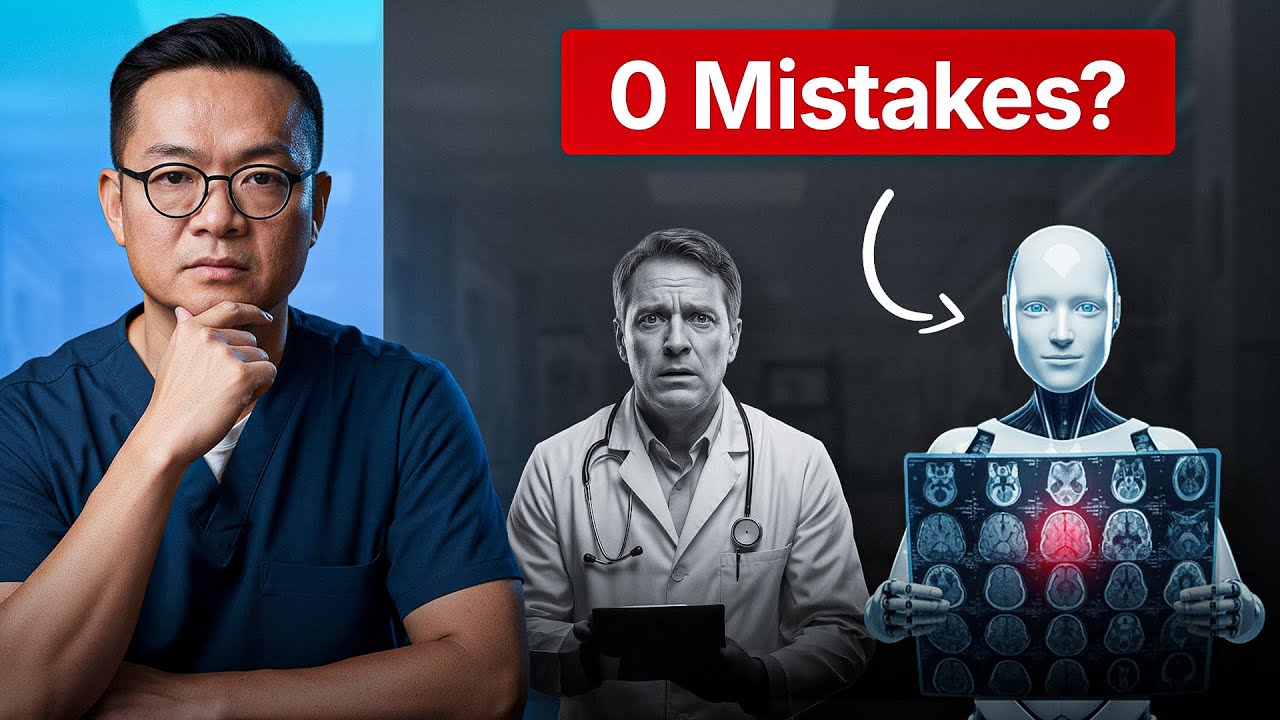
Last November, I found myself buried under endless administrative work after a long shift—paperwork, charting, managing appointments. Ever wonder how much time we actually spend away from our patients? Turns out, that’s a struggle shared worldwide. But what if I told you there’s a breakthrough—AI technologies are cutting diagnostic errors by 31%, saving billions in costs, and freeing up billions of work hours. Let’s explore how these AI breakthroughs aren’t just futuristic dreams but real tools transforming healthcare as we know it.
The Urgent Need: Burnout and Inefficiency in Healthcare
Let me start with a question: On your last shift, how much of your time was actually spent with patients—versus charting, paperwork, or other administrative tasks? For most of us, the answer is sobering. According to recent data from LEK Consulting and the World Economic Forum, healthcare professionals spend nearly 30% of their working hours on administrative duties rather than direct patient care. This is not just a minor inconvenience—it’s a major driver of healthcare worker burnout and inefficiency across the system.
During a recent 12-hour shift, I found myself overwhelmed, juggling endless forms and digital records. I know I’m not alone. Reports from MedTech Europe and others confirm what we’re all feeling: burnout rates in healthcare have reached an all-time high. At the same time, we’re facing critical worker shortages, rising costs, and growing disparities in care. As Dr. TJ Ahn put it,
“We’re practicing in a total pressure cooker right now.”
These pressures create an unsustainable environment, especially for private practices. The administrative burden is not just about lost time—it’s about lost energy, lost focus, and, ultimately, lost clinicians. The impact is clear:
- Less time for meaningful patient interactions
- Higher risk of errors and missed follow-ups
- Increased turnover and workforce shortages
This is where AI adoption in healthcare becomes crucial. Research shows that AI-powered virtual assistants could potentially handle up to 30% of our administrative workload. For private practices, the AI impact on healthcare worker burnout could be transformative, freeing up time for what matters most—caring for patients.
AI’s Real Impact: Saving Lives and Reclaiming Time
When we talk about AI in patient care, the numbers from recent reports are nothing short of astonishing. According to MedTech Europe and Deloitte, AI diagnostics and imaging could help save up to 400,000 lives every year in Europe alone. That’s nearly half a million people whose lives could be changed by earlier detection of cancer, cardiac events, and other critical conditions. The real power of AI lies in its ability to spot warning signs that might be missed, giving patients a better chance at timely treatment and recovery.
The AI financial impact healthcare is equally impressive. The same studies estimate that AI could generate over 200 billion euros (or dollars) in annual savings. But these savings aren’t just about cheaper procedures. A huge share comes from what experts call “opportunity cost”—the value of time that clinicians get back when AI handles routine tasks. This is where the transformation really happens.
Imagine freeing up 1.8 billion work hours every year for healthcare professionals. That’s time that can be redirected to complex cases, patient conversations, and the high-value work we trained for. As Dr. TJ Ahn puts it:
‘Billions of hours that could be redirected to the high value work we were trained for.’
AI in diagnostics and imaging doesn’t just improve accuracy—it also streamlines workflows, reduces administrative burdens, and lets us focus on what matters most: patient care. The scale of these benefits goes far beyond cost savings. It’s about giving clinicians the tools and time to deliver better outcomes across the entire patient journey.
AI Technologies Transforming Clinical Practice
In 2025, AI is reshaping clinical practice with a full suite of tools that touch every stage of patient care. One of the most exciting advances is in wearable devices. Today’s wearables can detect cardiac arrhythmias like atrial fibrillation before a patient even feels symptoms, allowing for earlier intervention and better outcomes.
AI diagnostics and imaging are also revolutionizing the way we interpret medical data. Radiologists, for example, have seen a 62% increase in their numbers across Europe from 2000 to 2020. But during that same period, the number of medical images needing review soared by nearly 800%. As Dr. TJ Ahn puts it:
‘That gap is the very definition of an unsustainable workload, making AI support tools an absolute necessity.’
AI-powered imaging tools now help radiologists manage this overwhelming volume, flagging abnormalities and prioritizing urgent cases. This not only speeds up diagnosis but also reduces the risk of missed findings.
Another game-changer is the rise of AI-powered virtual assistants. These tools automate transcription and administrative tasks, freeing up substantial time for clinicians to focus on patient care. By handling routine documentation, scheduling, and even patient follow-ups, virtual assistants are a key driver of AI healthcare workflow optimization.
In the operating room, robotic systems are providing surgeons with enhanced precision and control. Meanwhile, AI-driven data analytics are accelerating drug development, using real-world evidence to identify promising therapies faster than ever before.
- Wearables for early detection of cardiac issues
- AI diagnostics and imaging to manage massive data growth
- AI-powered virtual assistants for administrative relief
- Robotics and analytics optimizing surgery and drug discovery
Across the board, AI is not just supporting clinicians—it’s transforming how we deliver care, making it more efficient, accurate, and responsive to today’s healthcare demands.
The Big Picture: A Strategic Vision for 2035 in Healthcare
When I step back and look at the future of healthcare, it’s clear that AI adoption in healthcare is just one part of a much larger transformation. According to strategic blueprints from LEK Consulting and the World Economic Forum, the vision for 2035 is built on four main pillars:
- Resilient healthcare systems that can withstand shocks and adapt quickly
- Embracing technology and innovation—with AI healthcare market growth leading the way
- Environmental sustainability to ensure long-term health for people and the planet
- Equitable access and outcomes so everyone, regardless of background, can achieve their best possible health
Of these, equity is the foundation. As the reports emphasize, true progress means making sure no one is left behind. This isn’t just about investing in new tech; sustainable healthcare demands coordinated efforts across policy, environment, and social systems.
But as Dr. TJ Ahn put it,
‘Having a great vision is one thing, actually making it happen is something else entirely.’
The barriers are real and, for many of us on the front lines, painfully familiar:
- Skilled labor shortages
- Fragmented data systems that don’t communicate
- AI regulatory challenges, with policy often lagging behind innovation
The good news? We have the tools to start breaking down these walls. Digitalization and AI are at the forefront, but real progress will require smart regulations and strong public-private partnerships. The path to 2035 is about more than technology—it’s about systemic transformation, integration, and a relentless focus on equity.
Practical Takeaways for Private Practices
As we look ahead to 2025, it’s clear that AI is no longer a distant promise for private practices—it’s a practical tool delivering real results today. AI-powered virtual assistants are already reducing administrative burdens by up to 30%, freeing up valuable staff time for direct patient care. Tasks like scheduling, documentation, and prior authorizations—often the biggest sources of staff burnout—can now be streamlined through AI administrative automation. This isn’t a futuristic vision; these solutions are available and implementable right now, offering immediate ROI for practices willing to adopt them.
On the clinical side, AI clinical decision support is showing impressive results. For example, cardiovascular risk assessments have improved by 27% when physicians use AI as a second opinion, not as a replacement for their expertise. The key takeaway here is that AI-augmented diagnostics are most effective when they enhance, rather than override, clinical judgment. As the AMA emphasizes,
‘When AI influences clinical decisions, there must be qualified human intervention points.’
This means that clinicians must remain actively involved and document any instances where they override AI recommendations to ensure accountability and patient safety.
Regulatory frameworks are evolving, but the focus remains on patient safety and clear lines of responsibility. By integrating AI thoughtfully—using it to automate routine tasks and support, not supplant, clinical decisions—private practices can boost efficiency and diagnostic quality without increasing liability risks. The bottom line: AI is ready to deliver significant time savings and quality improvements in private practice settings, as long as we keep clinical judgment and thorough documentation at the center of care.
TL;DR: AI is revolutionizing healthcare in 2025 by improving diagnostics accuracy, reducing administrative burdens by up to 30%, and potentially saving hundreds of thousands of lives annually. From AI-powered virtual assistants to advanced imaging analysis, the future is about leveraging these tools to reclaim clinician time and enhance patient care, all while navigating significant regulatory and workflow challenges.